News feed
Farm updates, Welcome Luke!
Longacre Leadership Program
Announcing the next CSA Season
Spring is now in full swing and with it comes constant events, projects, and excitement on the farm. We’ve had baby kid goats being born all last week, and all 6 were girls (is this a sign that we are meant to have a dairy??) Another batch of 500 chicks arrived in the mail through the post office, which is where our son Kaj thinks baby chicks come from. It’s hay cutting time, pig shelter building time, pasture-chicken house fixing time, and milking time. Every day it seems there is an array of absolutely necessary things that must be done but in reality cannot possibly be done in the 14 hour window of daylight we now have. So thank goodness for Luke, our not-so-new intern! You may have met him at the CSA drop-offs. He has been on the farm since mid April to help us through our growing season, at least until Thanksgiving. He moved here from Washington D.C., leaving his job as an immigration attorney to grow some food and explore his deep interest in farming.
A lot of the activity on the farm this time of year is getting things cleaned up and organized for the summer camp for teenagers on our farm every summer called Longacre Leadership. The camp has been here with teenagers participating in farming activities for over 35 summers, and now we get to be part of introducing them to pasture-based farming. In addition to the farm, they make biodiesel, learn carpentry, learn horsemanship, and participate in various arts such as theater, ceramics, and stained glass.
The vegetable CSA season is just starting, and many of you have gotten your first shares. What an exciting thing for the local eater, to know there is a steady flow of fresh and varying veggies on the way. We have been talking about the fact that our “seasons” really aren’t season in the sense of being seasonal the way a veggie CSA is. On grass-based livestock farm there are seasons for growing, and we only raise chickens from April through November. However , since our meat is delivered frozen, in a sense it is in season throughout the year. So for our CSA, “season” is just a way of describing a period of time that we will be delivering. Maybe we should call it a CSA “Program”, or a CSA “session”.
Regardless of semantics, we are going into our next season starting immediately after the current season ends. The next season will run from July through November, 2010. We will be delivering to all of the same dropoff locations in the Harrisburg, Hershey, Carlisle area as well as a new one in Takoma Park MD, outside of Washington DC where we have started selling at a farmer’s market. There are many new options to choose from in the coming season. We will now be offering an Everything Share that also includes lamb, along with chicken, beef, and pork. The sizes for the everything share are different too, to accommodate varying family sizes and frequency of meat eating.
Below is a description of the share types for July-November 2010. We will include an order form with your next CSA delivery, or you can order online starting now. Deadline to sign up is June 30.
Original Shares– Beef and Chicken: about 55% beef and 45% chicken:
- Full share: 20 lbs/month- approx. 11 lbs. of beef and 9 lbs. of chicken (2 whole)
- Half share: 10 lbs/month- approx. 5.5 lbs. of beef and 4.5 lbs. of chicken (1 whole)
- Quarter share: 5 lbs/month- approx. 3 lbs. of beef and 2 lbs. of chicken (halves or pieces)
Pork Included shares– Beef, Chicken, and Pork: about 45% chicken, 27.5% pork, and 27.5% beef:
- Full Pork Included share: 20 lbs/month- approx. 6 lbs of pork, 6 lbs of beef, and 8 lbs of chicken (2 whole)
- Half Pork Included share: 10 lbs/month- approx. 3 lbs of pork, 3 lbs of beef, and 4 lbs of chicken (1 whole)
Everything Shares- Beef, Chicken, Pork, and Lamb: about 25% each chicken, beef, pork, lamb:
- Full everything share: 20 lbs/month- approx. 5 lbs of beef, 5 lbs of pork, 5 lbs of lamb, and 5 lbs of chicken (1 large whole)
- Medium everything share: 12 lbs/month- approx. 3 lbs of beef, 3 lbs of pork, 2 lbs of lamb, and 4 lbs chicken (1 whole)
- Small everything share: 8 lbs/month- approx. 2 lbs beef, 2 lbs pork, 2 lbs lamb, and 2 lbs chicken (1/2 whole)
Chicken Only shares - three chickens a month, averaging about 4 lbs each. These chickens are always whole, unless noted otherwise.
Prices and Payment:
We are asking for full payment before your first delivery.
These are five share options to choose from:
|
Lbs of meat/month |
Lbs of Meat Total |
Total $ |
|
|
Original Full Share |
20 |
100 |
$686 |
|
Original Half Share |
10 |
50 |
$350 |
|
Original Quarter Share |
5 |
25 |
$178 |
|
Pork Included Full Share |
20 |
100 |
$720 |
|
Pork Included Half Share |
10 |
50 |
$374 |
|
Everything Full Share |
20 |
100 |
$828 |
|
Everything Medium Share |
12 |
60 |
$480 |
|
Everything Small Share |
8 |
40 |
$345 |
|
Chicken Only Share |
3 chickens/ month ~12lbs |
15 chickens total ~60lbs |
$317 |
Spring time = sheep shearing and lambing time
Wool for Sale
Heritage breed chickens available
How to defrost a chicken
Recipe: Chicken in red wine with onions, mushrooms, and bacon
Happy spring! Or should I say happy winter directly into happy summer. With the recent hot temperatures outside, we were glad to be doing our sheep a huge favor. That's right, it was shearing time. Time to cut off their beautiful thick woolen coats leaving them looking naked. This year it was interesting because shearing time coincided with lambing time. This meant that some of the ewes already had lambs (who weren't too happy to have their moms being put on their butts and given a buzz-cut), some of the ewes had yet to lamb which meant they were large and "bagged up", and one ewe actually went into labor while waiting for her turn! Anyway we let her keep her sweater on for a while longer once we noticed her little one making its grand entrance into the world. We'll post some of the phtotos from shearing day with a notice so you can check them out.
Our sheep are registered romneys, which is as an old heritage breed long valued for its fine wool. Romney wool is popular today with handspinners and crafters. If you or any of your knitting friends are interested in local and organic wool: raw wool, washed wool, roving for spinning, or handspun/hand-dyed yarn for knitting or weaving, send us an email for prices and availability.
We have butchered a number of heritage breed chickens. These are mostly a large dual purpose (eggs and meat) breed called barred rocks, that we started as chicks last summer. This is the kind of chicken people used to eat, back when you had to go out in the yard and behead a bird if you wanted chicken for dinner. Sometimes now called "stewing hens", these chickens definitely require different treatment in the kitchen. However, prepared properly (do not just roast it!), they can be a very enjoyable meal. Stewing hens are 8-12 months old when butchered, and are appropriate for a slow braise such as a stew or curry. In fact, stewing hens are much more appropriate for some preparations such as stews. According to Julia Child, : "Younger chickens, such as broilers, should never be used; their flesh is so soft and tender that it dries out and becomes stringy." This is different than an actual spent laying hen or old rooster which may be many years old, and is even tougher which makes excellent soup stock but not much else. If you are interested in trying an 8 month old heritage breed chicken, please email us and we will replace some or all of your usual chicken portion with this chicken. Be adventurous and give it a try!
Julia Child also has to say about chicken, "Modern poultry raising has done wonders in making it possible to grow a fine-looking chicken in record time and to sell it at a most reasonable price, but rarely does ayone in the country discuss flavor. If you are interested in price alone, you will often end up with something that tastes like the stuffing inside a teddy bear and needs strong dousing of herbs, wines, and spices to make it at all palatable. A chicken should taste like chicken and be so good in itself that it is an absolute delight to eat as perfectly plain, butter roast, saute, or grill. So when you buy chicken, make every attempt to find a market which takes special pride in the quality and flavor of its poultry." And while I have the cookbook open, I'll share her description of the best method for defrosting frozen chicken: "leave it in its transparent wrapper and let it thaw in the refrigerator. It will lose much less of its juice and flavor. The best alternative is to unwrap it and thaw it in a basin of cold, running water, and pulling the legs and wings away fromt he body as soon as they will move." I will add that after defrosting as slowly as you have time for, it really helps to leave the chicken unwrapped in an uncovered bowl or plate in the fridge for a few hours to let the skin thoroughly dry. This air-drying in the refrigerator ensures a perfectly crispy skin.
Recipe: Coq au vin (chicken in wine)
This classic french dish is a slow-cooked feast well suited to using the stewing chickens mentioned above. You could also use a regular broiler, but reduce the cooking time.
Ingredients:
3 to 4 ounces of bacon
butter
One cut-up chicken
salt
pepper
~3 cups wine (red is "more characteristic" of the french dish, but white can also be used"
1 to 2 cups chicken stock or any other stock
2 cloves garlic
1/2 teaspoon thyme
1 bay leaf
optional: 1/2 Tablespoon tomato paste
2 onions
1/2 lb mushrooms
Directions:
Saute the bacon, diced, until lightly browned. Remove to another dish and set aside till the end. Cut the chicken into pieces, dry it well, and brown it in the hot bacon fat. Season the chicken with salt and pepper. Pour the wine into the casserole pot, add just enough stock to cover. Stir in the garlic and herbs and optional tomato paste. Bring to a simmer, cover, and keep at the slowest simmer possible for about 30 minutes for a broiler and about an hour or more for a stewing hen, or until the chicken is tender and cooked through. Remove the chicken from the pot, and rapidly boil the liquid to reduce it by about half. This is a fine sauce, or you can thicken it with a bit of arrowroot starch, corn starch, or a flour paste (blend 2 Tb softened butter with 3 Tb flour into a smooth paste. then beat the paste into the hot sauce with a wire whip). Saute the sliced onions and bacon in butter until soft and lightly browned. Add the reserved bacon, and serve on the side of the chicken with the sauce on top.
Anna
In this Newsletter:
2010 PASA Conference Highlights
Pastured Pork Info
Citrus Braised Ribs Recipe
All Natural Beef Jerky!
Hello Friends, local food supporters, and CSA Members,
This year’s Conference for the PA Association for Sustainable Agriculture posted another record crowd. It seems like every year, more farmers and more people are choosing to farm and eat in more sustainable ways. How does one make a sustainable food choice? Well, to quote part of the mission, “PASA's consistent and driving vision has been to transform agriculture and food systems in Pennsylvania and beyond in a way that makes our farmers more viable, improves the land and restores the health and wellbeing of all our citizens.” At North Mountain Pastures, we are committed to raising the best product for our customers’ well-being while healing the land and, hopefully, our local economy. And you, as local eaters, have committed to being a part of that change.
A highlight of the conference for me was having the pleasure of listening to Kim Seeley’s opening address to the conference. Kim is an energetic and inspiring speaker, and in his address, spoke to the poor state of the majority of our food system, his background as a conventional farmer, and his transition to sustainable dairying and a hope for the future. If you have a spare moment, please take the time to check out Kim’s speech from this year’s conference. You have to click play under the headline. The audio is 21 minutes long.
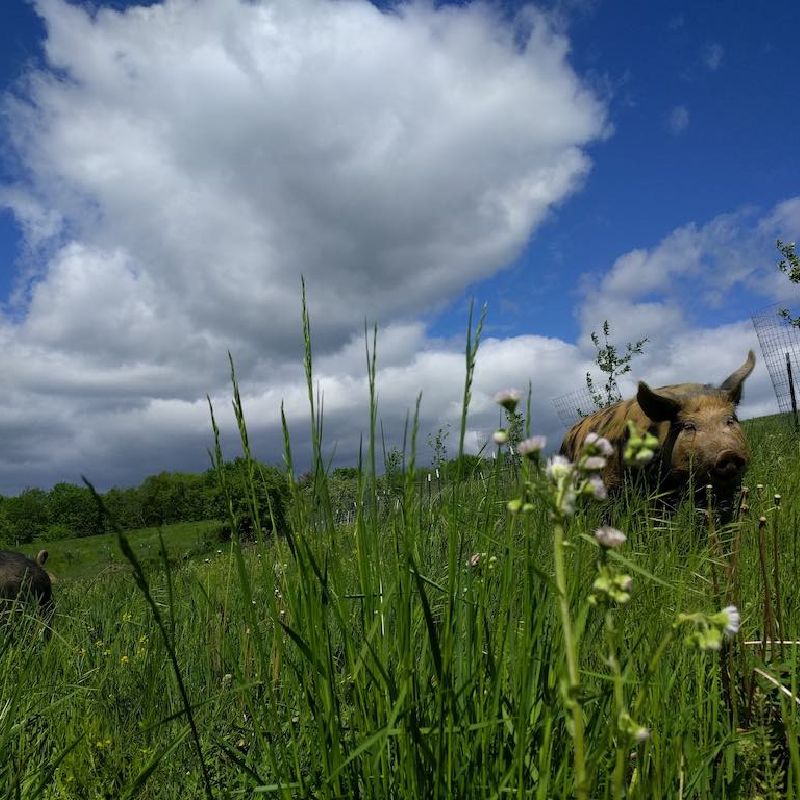
Many of you have already received this month’s delivery which, for some of you, has included the new addition of pastured pork. Our heritage-breed Tamworth pigs are raised on pasture and supplemented with grain. As those of you who already have your meat may have noticed, pork is not the other white meat! The meat from a pastured pig is darker in color, and, if allowed to grow to maturity, complete with fat marbling throughout. All of our pigs are allowed to grow for about nine months to develop a good covering of fat.
Good fat comes from grass! Recent research has shown that raising pigs with permanent access to pasture increases the level of omega-3 fatty acids, bringing the ratio of omega-3 to omega-6 to a more heart-healthy level. Pasture-raised pork has also been shown to have higher levels of heart-healthy conjugated linoleic acid and vitamin E. Not to mention the fact that watching them instinctively dig and root through weeds and grass is really entertaining! So to highlight the good stuff, here is a dish I cooked the other night using ribs, which some of you have already received in your shares.
Braised Pork Ribs with Citrus and Tomatoes
Ingredients
Pork Ribs, 2-3 lbs
1 large onion, sliced
Butter or Lard
Juice of one grapefruit or one orange or two lemons/limes
One quart water or pork stock (or any broth)
One pint whole canned tomatoes
Good sea salt
Herbs and spices – I used whole peppercorns (10), whole cloves (5), bay leaves (3), and garlic (3 cloves)
In a heavy, wide pot, start to brown the onions in the butter or lard. Move them to the edges, and brown the ribs. Make sure the ribs are completely dry before placing in the pan or they will steam and not brown (pat them with a towel or paper towel). To brown the ribs, lay them in the pan on either side on high heat for about one minute.
Remove the browned ribs from the pan and deglaze the pan (to get the nice brown bits into the stock) with the citrus juice. Rub the bottom of the pot with a wooden spoon if you need to. Keep the heat on; return the ribs to the pot and pour in the stock or water. Cover and place in your oven at 275F. Keep it at a slow simmer for 2-4 hours. The longer you simmer, the more the meat will fall off the bone. I like 3 hours.
When the pork is done, pull it from the pot and cover with a lid or foil. Pour in the tomatoes, and turn up the heat to reduce the sauce by one half. In the last 10 minutes, add the herbs and spices (and honey or maple syrup if you like some sweetness), and salt to taste.
Serve with mashed turnips or potatoes and some kale or other greens for a finger-licking good time!
In addition to our other ‘fancy’ cured meats with names like Guanciale, Bresaola, and Sopressata, we have started making beef jerky as well! Feel good about eating a snack that’s delicious, pasture-raised and additive-free, available at our next delivery.
That’s all for now. See you at the next delivery!
Brooks, Anna and Matt
Dear Friends and Customers – Happy February!
In this newsletter:
Cured Meats
Corned Beef recipe
First Delivery of Second Season
PASA Conference
Now that we’re in the month of love, what better way to show your affection than some cured meats? A few of you have been asking about the cured meats we’ve been working on, and I’d like to update everyone with our progress.
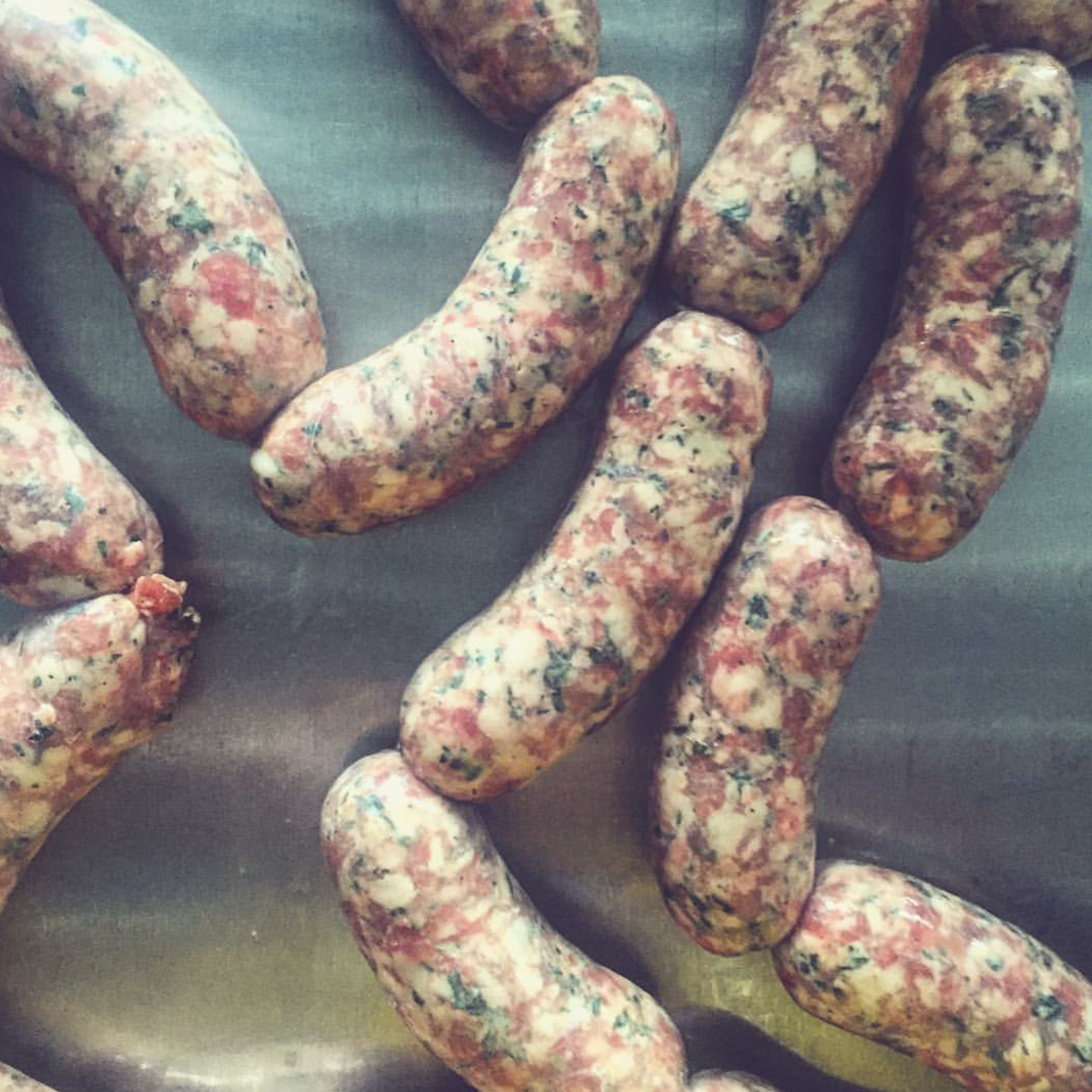
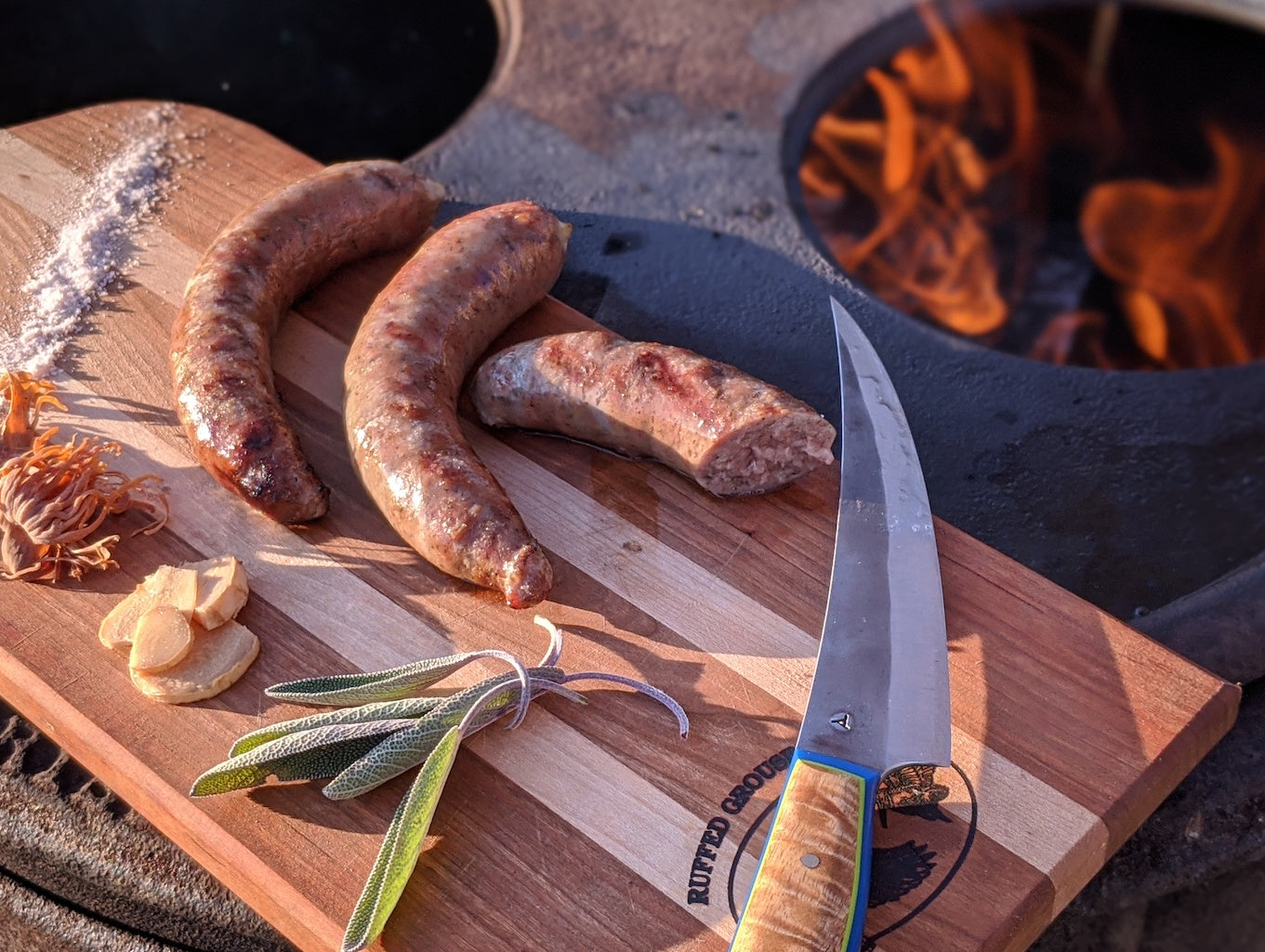
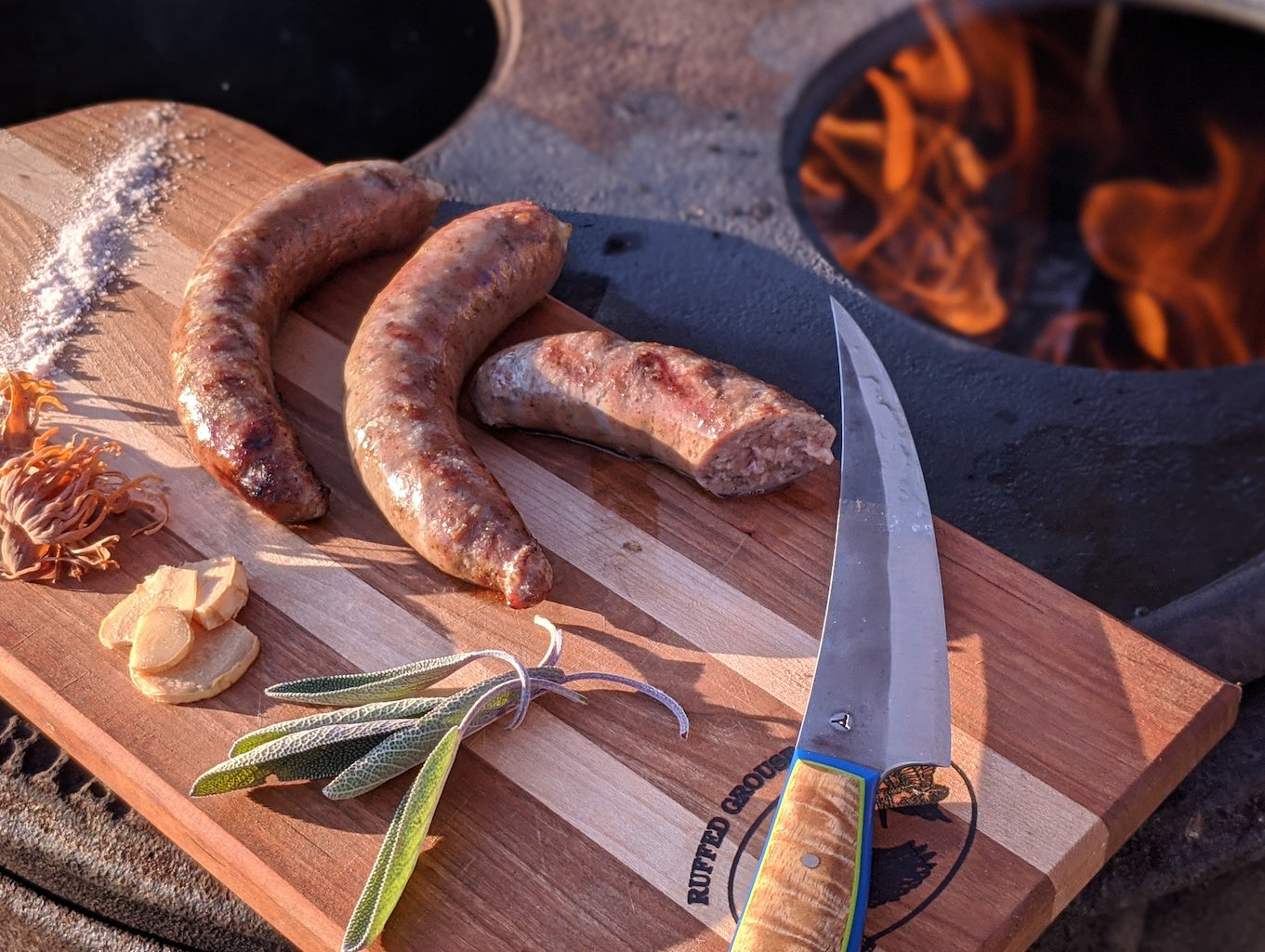
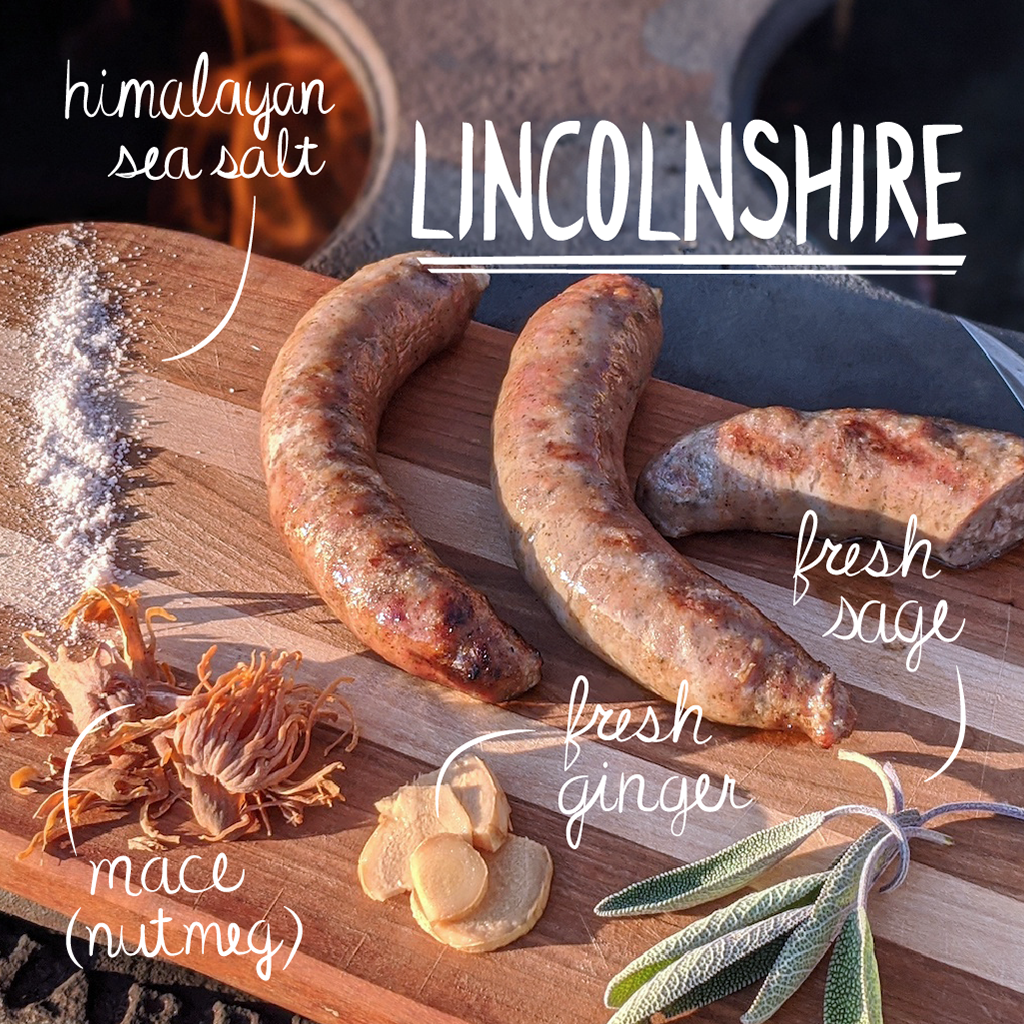
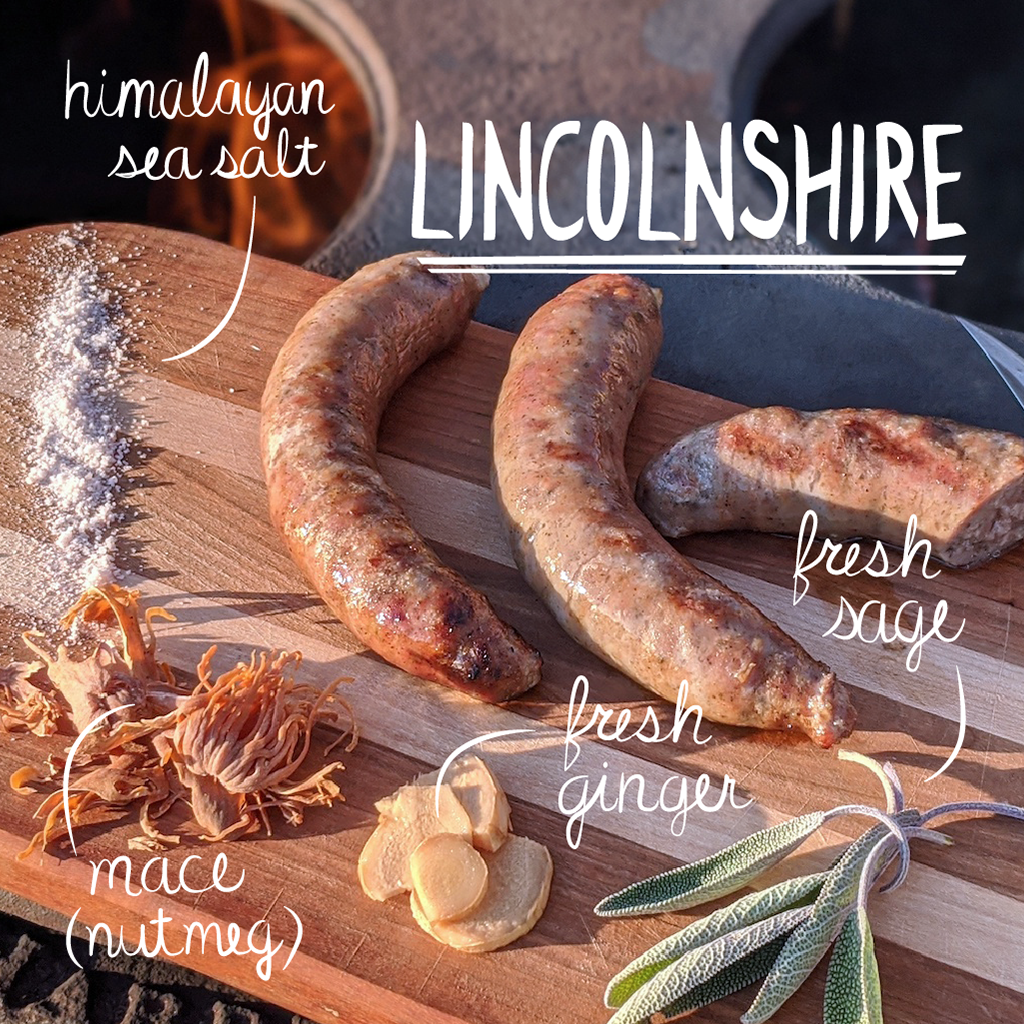
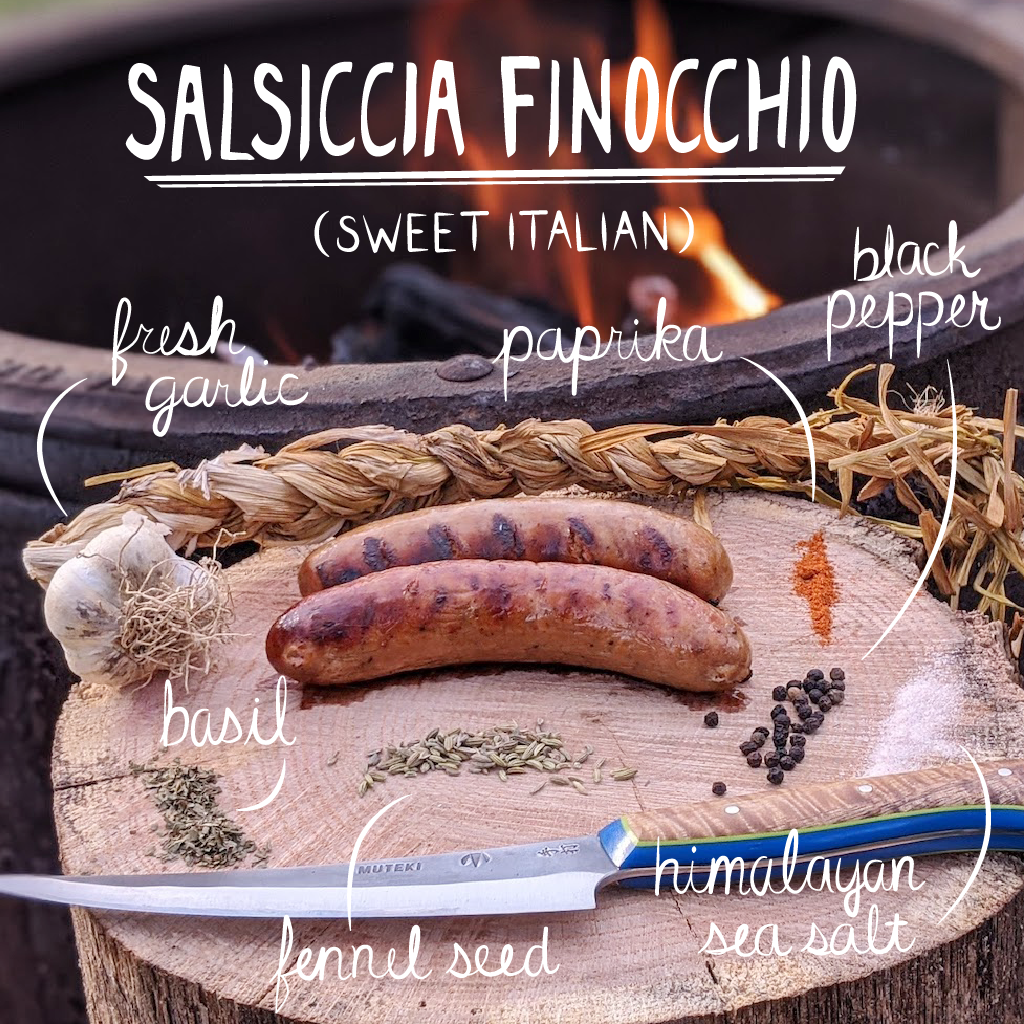
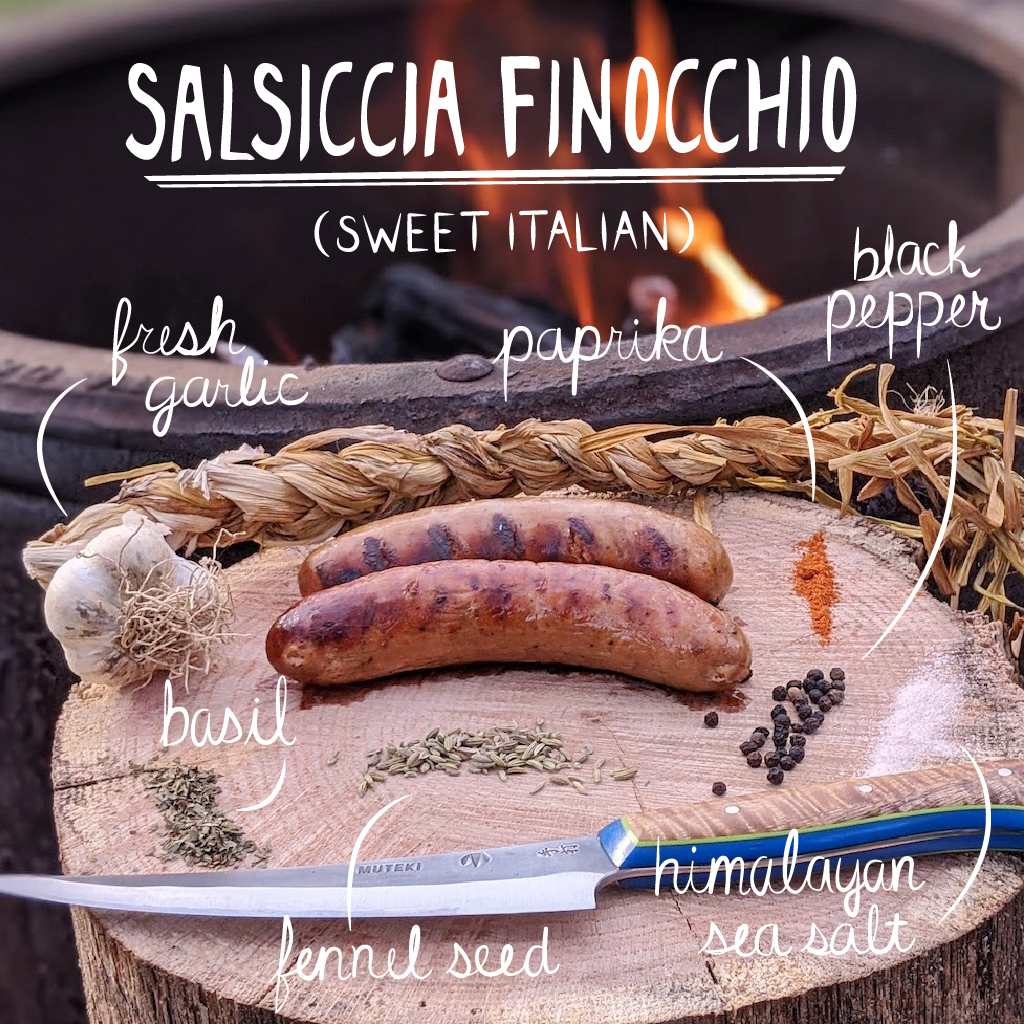
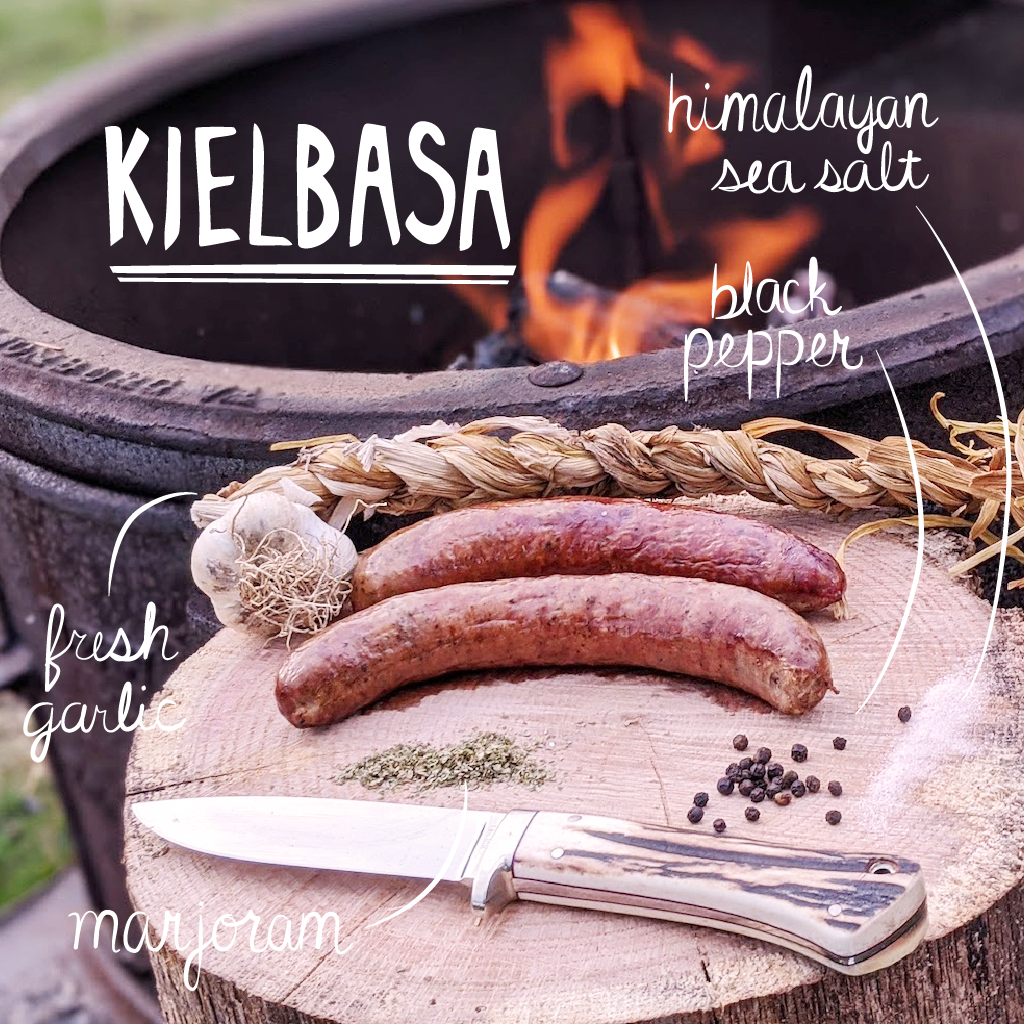
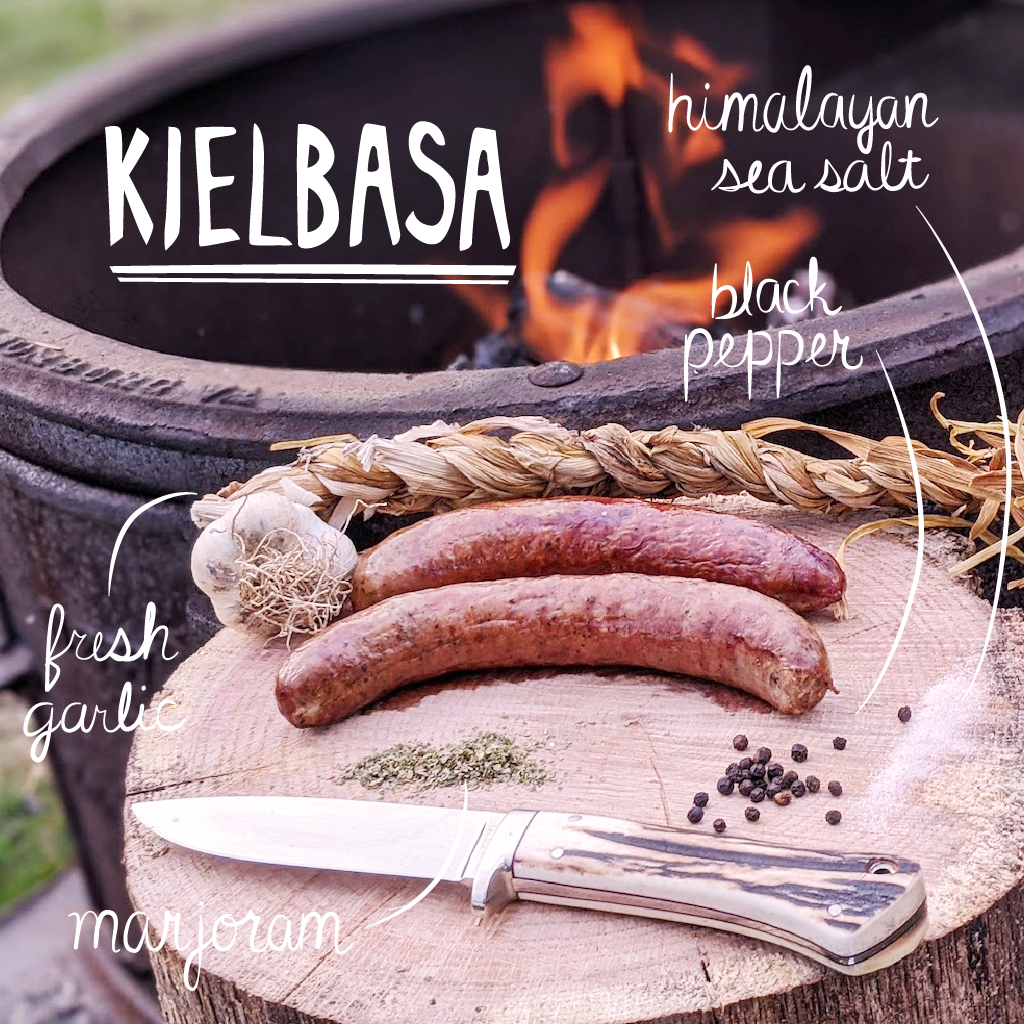
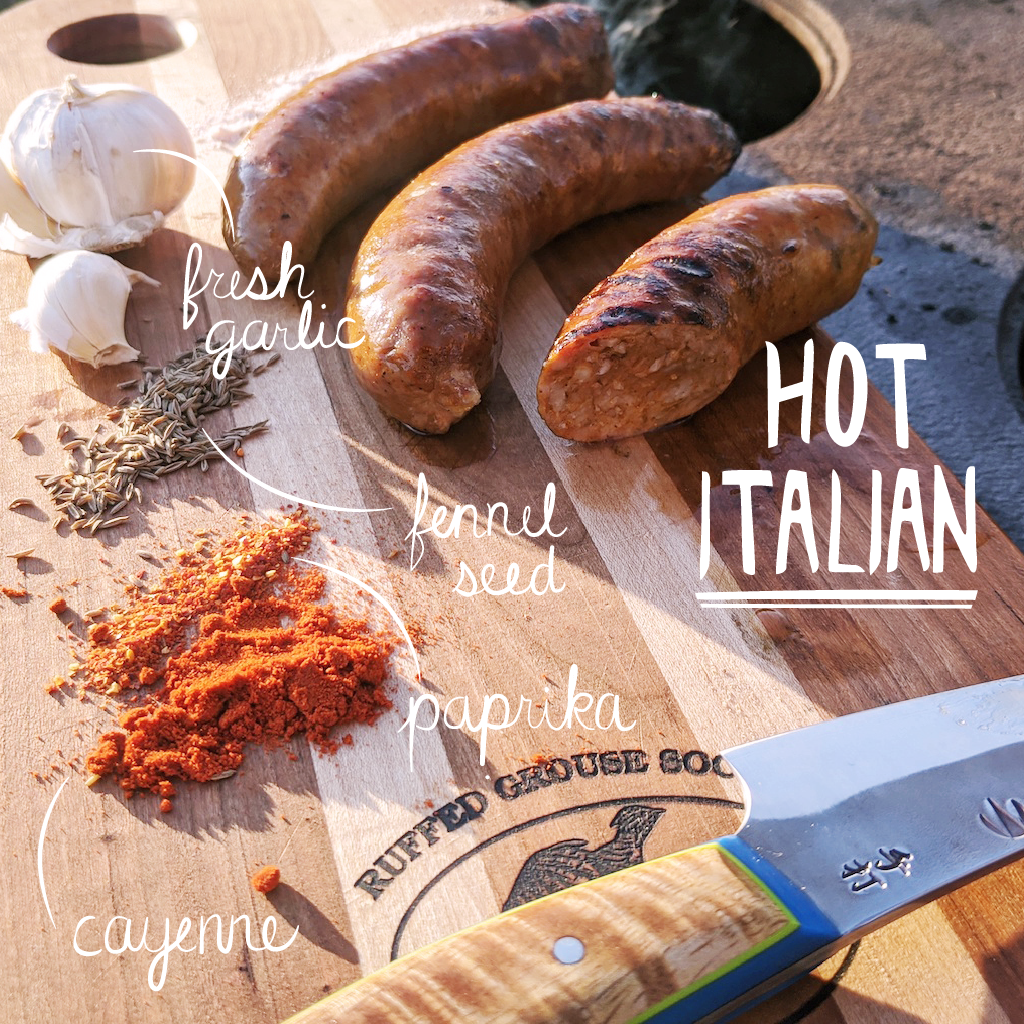
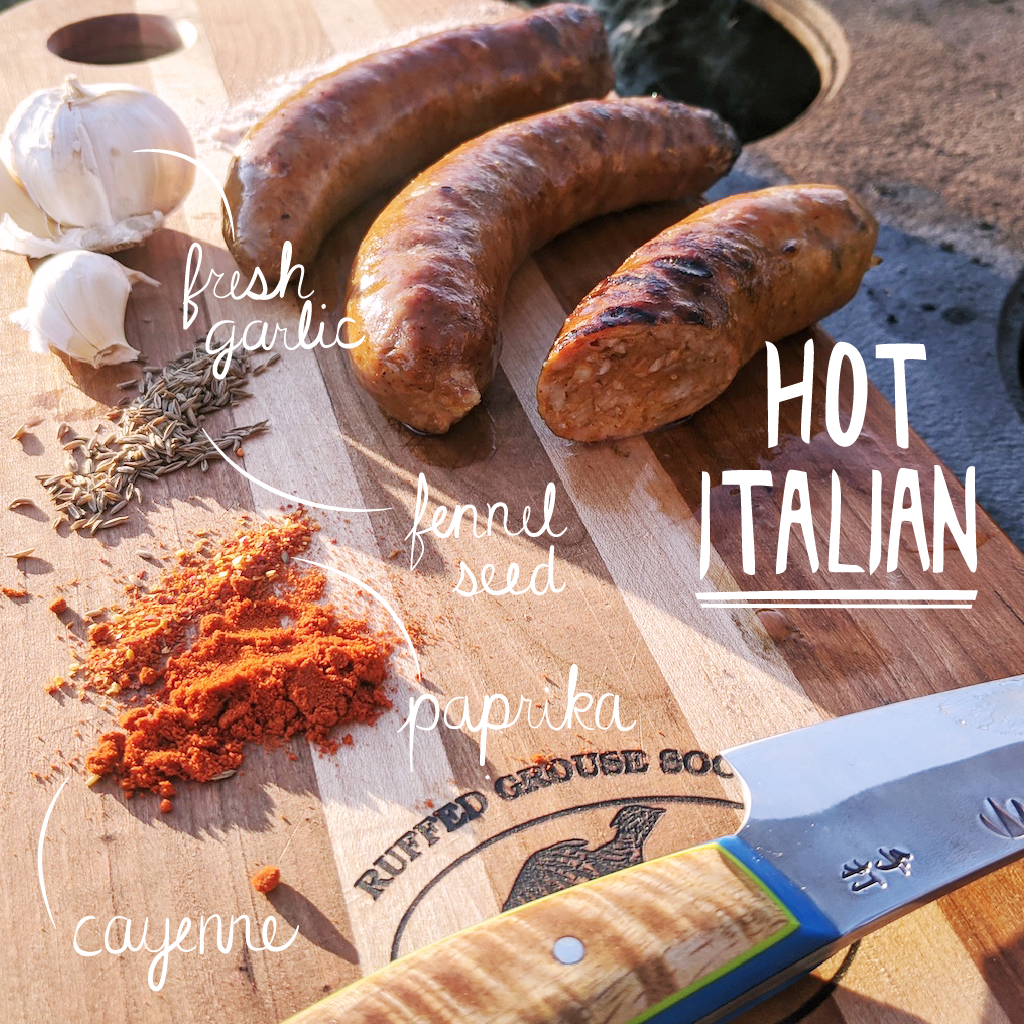
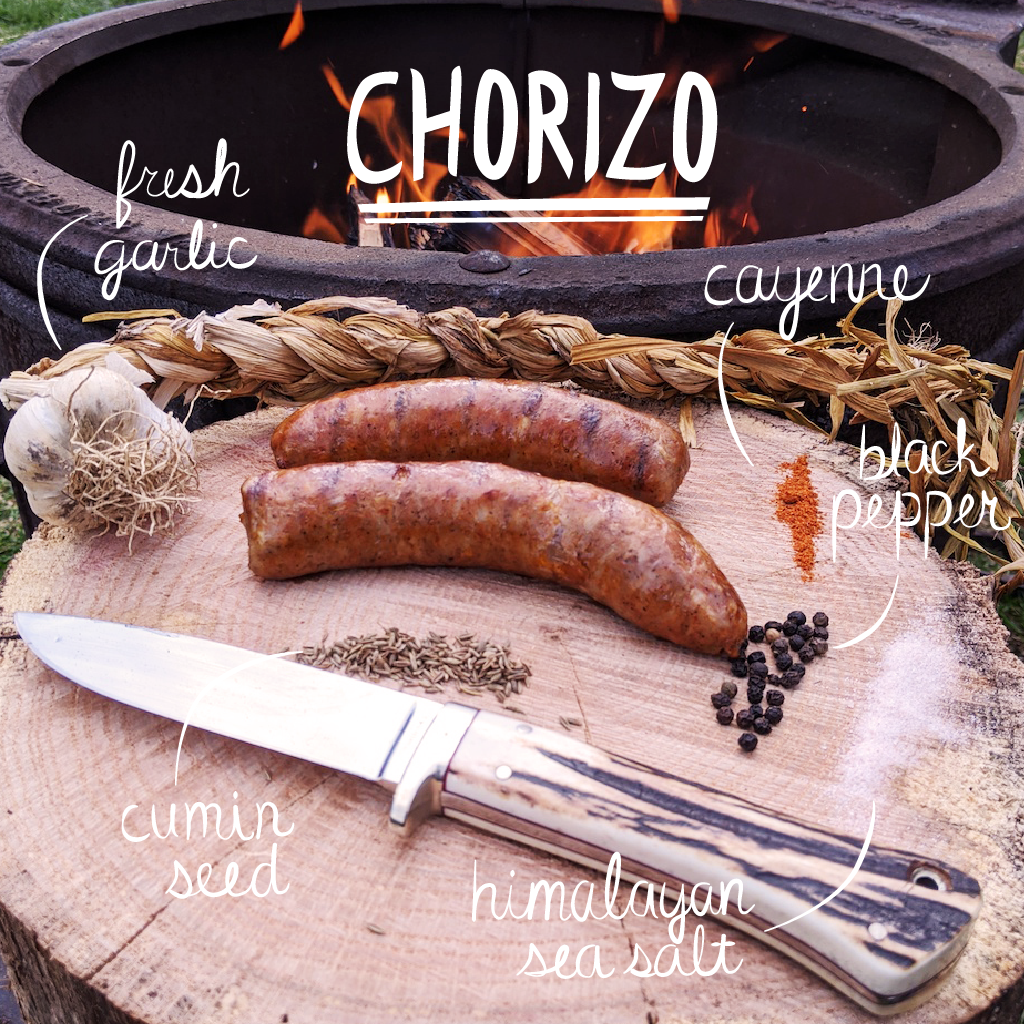
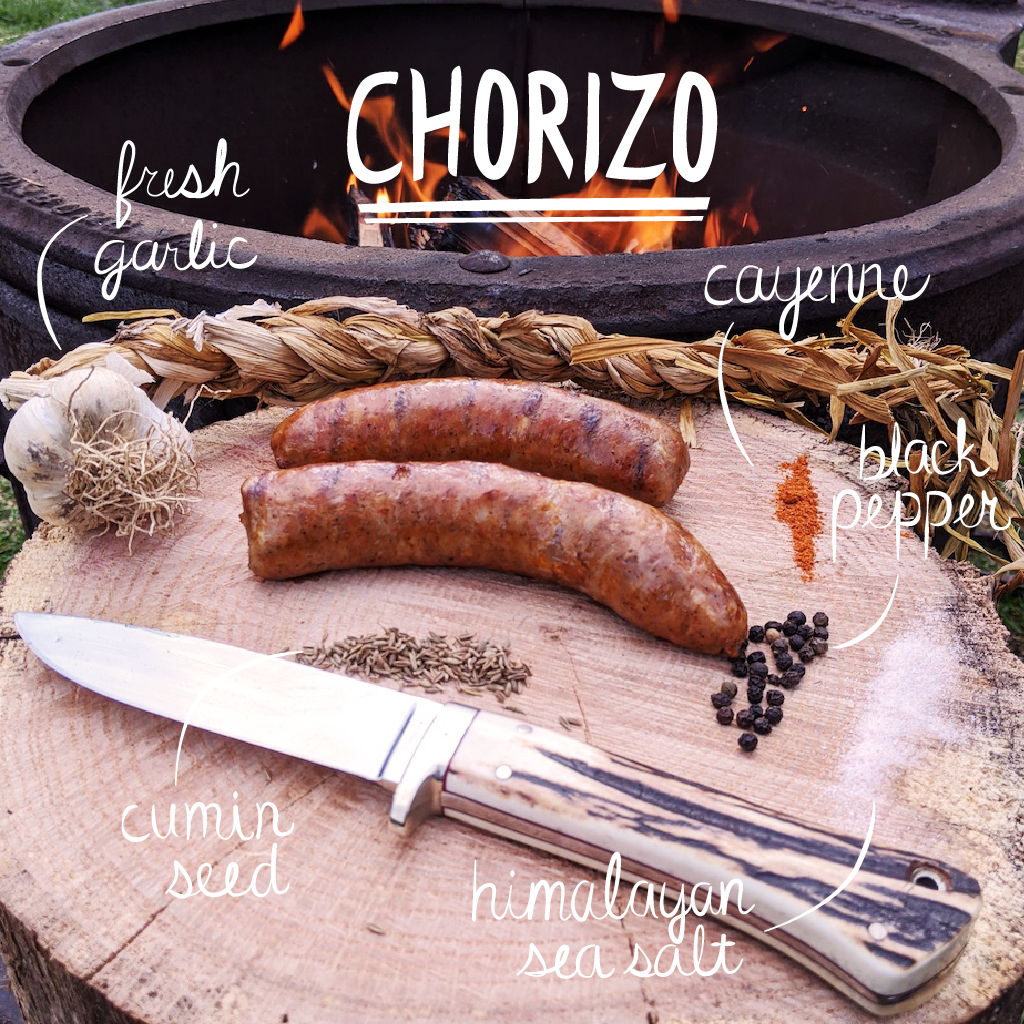
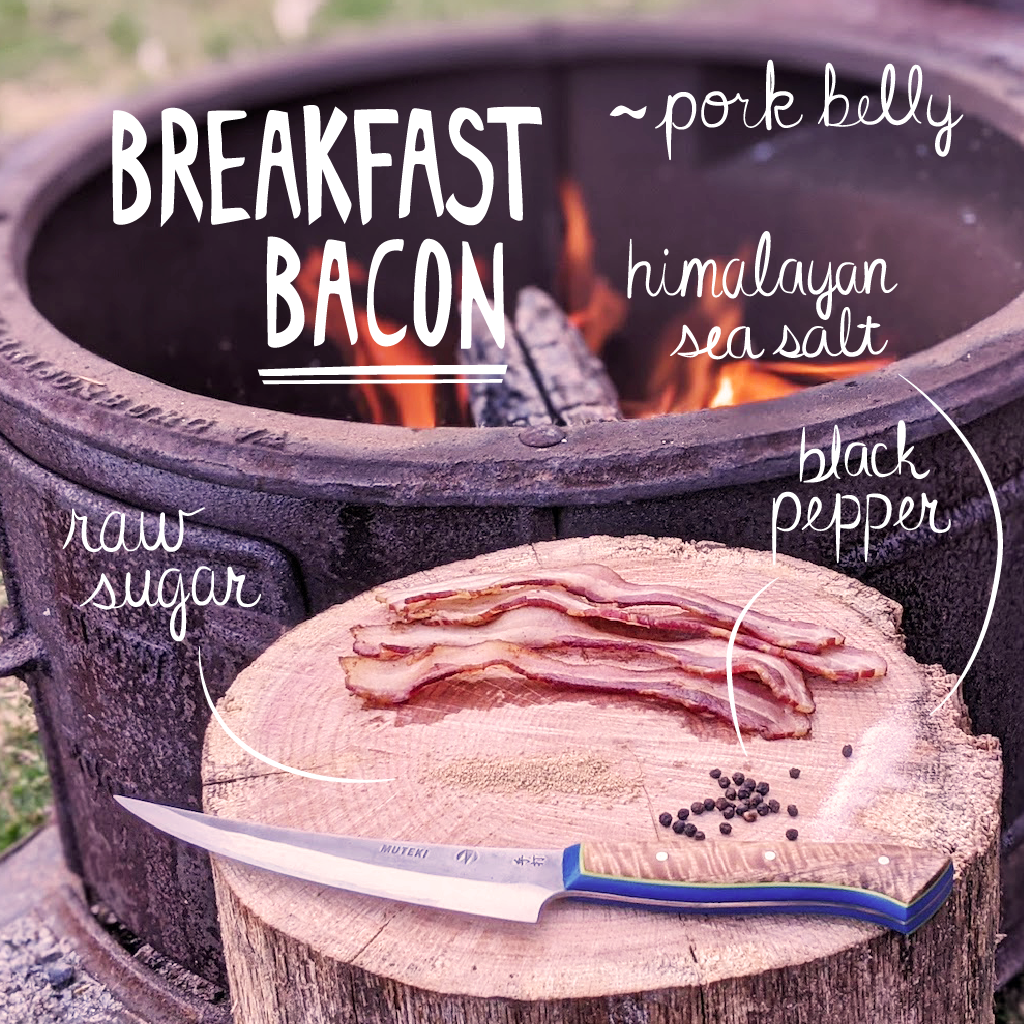
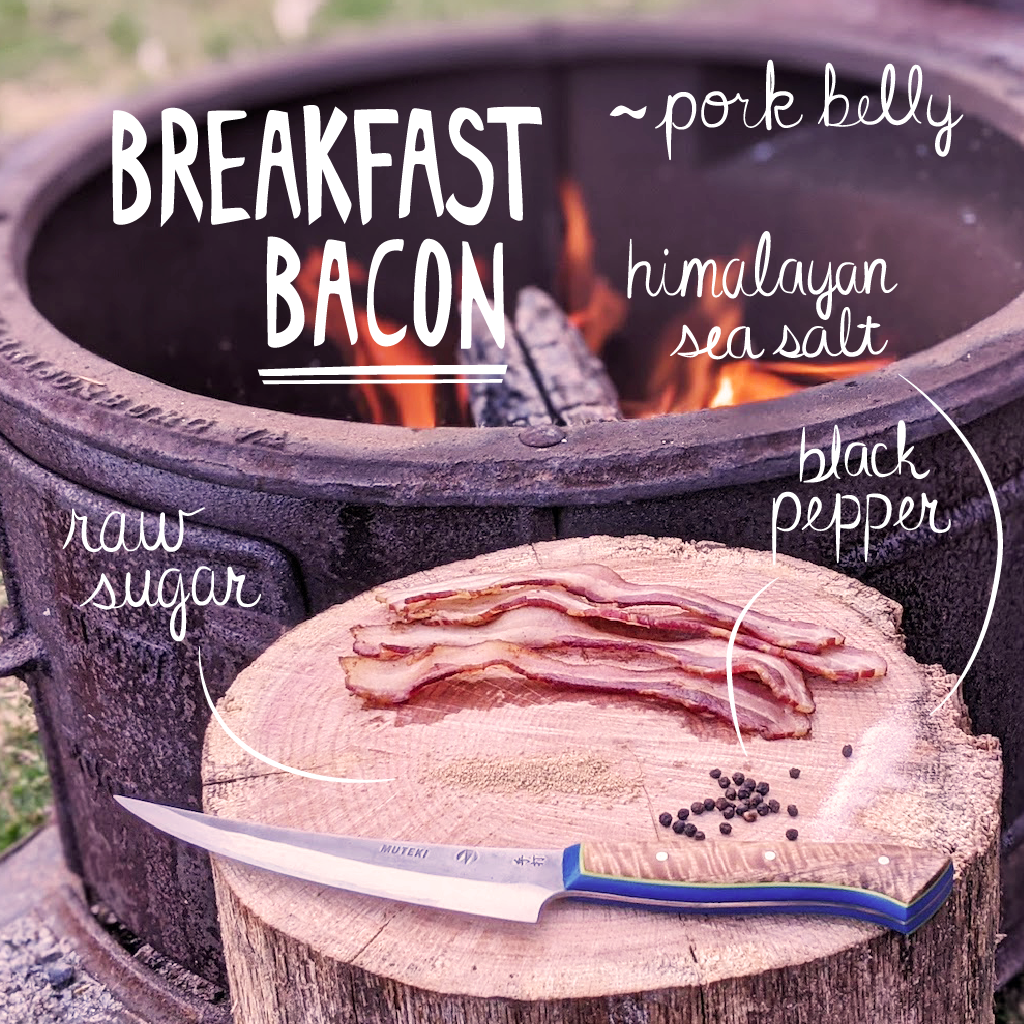
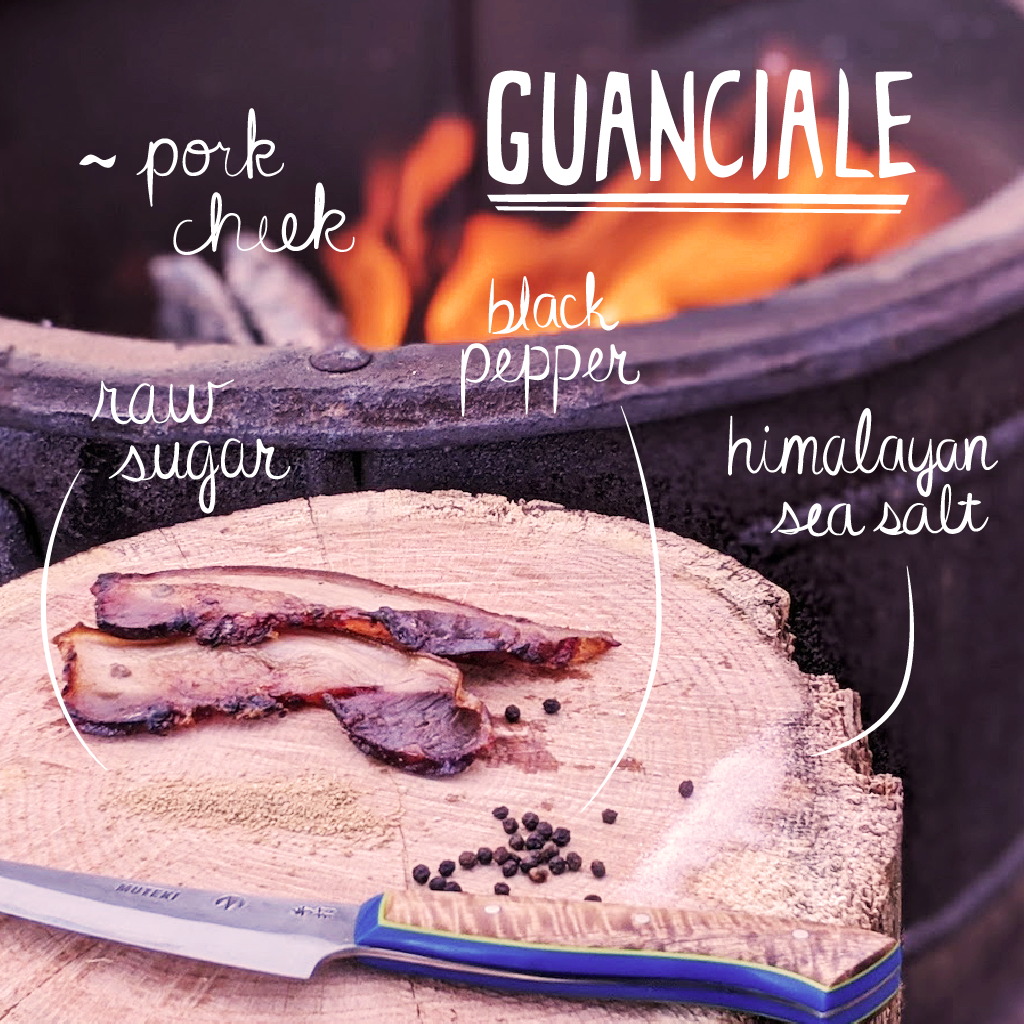
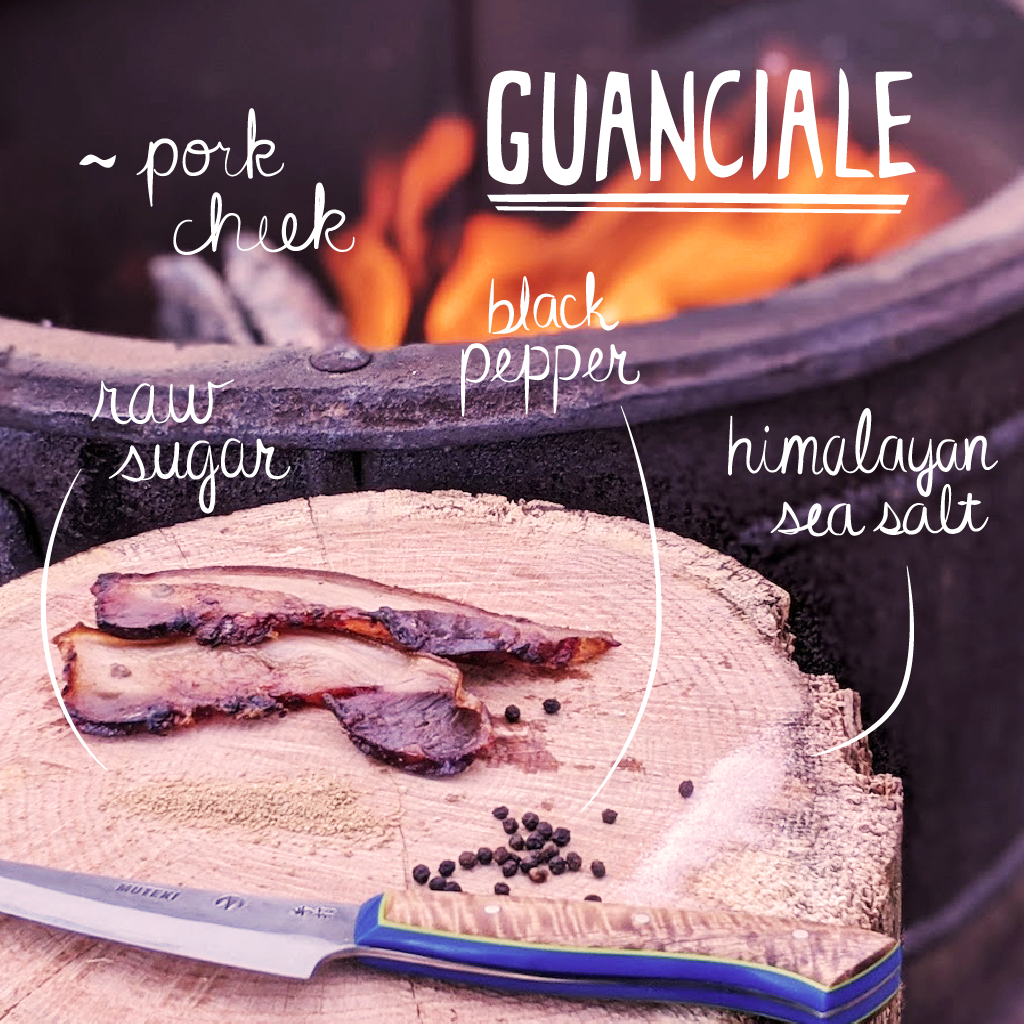
We’ve been using our pastured pork and grassfed beef to create some delicious, traditional meats. We’re using only organic herbs and spices from Mountain Rose Herbs, and Himalayan sea salt, which we wrote about in one of our previous blog posts. This means no unnatural nitrates or artificial preservatives, and no factory-farmed meat! After doing our starting out with own bacon and then attending some classes on meat curing, we feel like we have some pretty unique products. They include well-known cures like fresh sausage and dry-cured bacon, as well as air-dried salamis (Genoa, soppresata, chorizo), and lesser known meats like bresaola, guanciale, and lardo. A price list for these meats is forthcoming, and CSA members will be able to order them for pickup at our host sites throughout the season. We will also try to have samples available at our pickup sites.
While on the topic of cured meats, here’s a simple recipe for corned beef. Some of you received brisket in your last CSA delivery, which is the ideal cut for a corned beef brisket. Other cuts to use are chuck roast, shoulder roast, or rump roast. This is a quick, simple cure that comes out deeeelicious, and makes you look like a real chef! The spices below are a rough outline – experiment with them.
Ingredients:
1 Beef Roast (preferably brisket), 3-6 lbs
Good Salt (sea salt or kosher salt) – enough to cover roast, ¼ - ½ c.
Rapadura or raw sugar – ¼ c. (optional)
Handful of fresh ground pepper corns
4 cloves garlic, crushed
Cloves – 6-8 fresh crushed or ¼ tsp ground
Process: Combine the salt and all the spices in a bowl. Put the beef cut in a glass or plastic bowl (metal reacts poorly with salt). Rub the salt/spice mixture all over the beef, working it into every little crack and crevice. Cover the bowl, and refrigerate. Check it daily, and pour off any juices that the salt pulls out. After 5 days, remove from the fridge, rinse off, and soak in fresh cold water for an hour or two (removes some salt).
To cook: Cut up an onion, a couple carrots, and some celery stalks. Place the veggies and the beef (whole) into a pot. Barely cover with fresh water, and bring sloooowly to a gentle simmer. Allow to simmer slowly for about 3 hours. Pull the beef out of the broth, and let it rest. Serve warm or let it cool in the fridge and make sandwiches!
First delivery
As a reminder, this week is the start of our second season. We deliver to Mechanicsburg on Thursday, which means there’s still time to sign up without missing your first delivery. Visit our online ordering page for details.
PA Association for Sustainable Agriculture
Although it’s late notice, some of you may be interested in checking out this weekend’s events at the PASA conference. Anna and I will be in attendance, and moderating the pre-conference track on preservation. PASA provides great learning opportunities for farmers of 1000 acres to the home gardener with a few feet of growing space.
Brooks, Anna, and Matt
www.northmountainpastures.com
717.497.3496
Dear Friends and Customers,
We’ve been working on a few changes for the next season of our meat CSA. We’ve read the survey results and taken to heart much of the feedback we’ve received. Thanks again to those of you who responded.
New CSA Season
We’ve decided to roll right into February with our second season! We are now open to take orders for this season, which will run from February through June. Ordering will work a little differently than last season. There are now three options for ordering. You can choose to order online, paying by credit card. Or you can fill out a hard copy of the order form, included in the January delivery and mail it to us along with a check. Or, you can choose to pay by check on our website. To do this, you will make the appropriate selection and then receive an email invoice for your order, which you will need to print out and mail along with payment.
New Share Pickup Time
In the next season, we will be at the delivery sites from 5 to 6pm. According to our survey, this will work for most of you. If you absolutely cannot make it between those times but would still like to receive a share, contact us and we’ll try to work out an alternate arrangement.
Pastured Pork
We are now offering more diversity in share options. New for next season - a pork-included share and a chicken-only share. The pork for these shares comes form our pigs, which are raised on pasture, with plenty of fresh air, sunshine, and space to run. They eat a variety of pasture forage along with grain and whey. See our website (www.northmountainpastures.com) for more information about how our pork is raised and the nutritional benefits of eating pastured pork. Pricing of the different options can be found on the website and in the order form (opposite).
Eggs
Our eggs from hens on pasture were more of a hit than we expected. We found that our chickens couldn’t keep up with the demand! The Coulter family, who supplies the CSA with grassfed organic beef and lamb, picked up the slack. Their chickens roam freely on pasture, just as ours do, scratching through the green grass for seeds and insects. These eggs have nice rich yellow yolks. Pricing for eggs in the coming season will be $3.50/dozen.
Contact Information Changes
Matthew Smith continues to be a huge help with the CSA, and we could not have gotten started without him. He is currently busy with his full time job, and we are currently in our “rest” season since it is winter. For customer service or if you have any questions, please call or email Brooks or Anna, whose contact information is in the footer of this newsletter.
Recipes
In these monthly newsletters, you’ll find a recipe for one of the products we offer, so you can better cook the familiar cuts, and learn more about unfamiliar cuts of meat in your share. The cuts of meat vary from share to share, so we’ll try to cover cooking instructions for as many different cuts as possible. Check our website’s blog for additional information on cooking.
Simple Hearty Beef Stew
This is a simplified version of Julia Child’s Boeuf Bourguignon. A wonderful way to warm up and feel comforted in these cold days of winter!
Ingredients:
3 lb beef roast, cut into chunks (chuck, london broil,
or beef cubes work well. Each lb serves 3 people)
optional: 6 oz. chopped bacon, 1 lb mushrooms
2 sliced carrots and/or potatoes
1 sliced onion
3 cups dry red wine such as Chianti
2 cups beef stock or water
2 cloves garlic, ½ t thyme, 1 crumbled bay leaf
Brown the bacon, if using, in a heavy pot. Remove from the pan, leaving the fat. Heat this lard or a bit of oil in the pan to almost smoking. Dry the chunks of beef and sauté them in the pan until browned on all sides. Remove the beef from the pan and set aside with the bacon. Brown your chopped vegetables in the same pan, then discard the oil or fat. Return the meat to the pot and toss together with 1 t salt and ½ t pepper. (Optional at this point: stir in 2 T flour or arrowroot, and brown a bit more in 450 degree oven for 8-10 minutes, stirring once. This continues to brown the meat and give it a crust, but leave it out if you’re pressed for time.)
Pour in the wine and stock (just enough stock to cover the meat), add garlic and herbs, cover and cook in the oven at 325 until meat is fork tender (about 2.5 to 3 hours). You could also do this in the crockpot on low. The stew should be at a slow simmer the whole time. Serve with rice, noodles, bread, or potatoes, a parsley garnish, and/or some sautéed mushrooms added at the end
Happy Meat Eating!
Anna, Brooks, and Matt
My guess is that many people already have a favorite way to roast a turkey. This is by no means going to be a comprehensive turkey roasting guide. Here are just a few suggestions:
Brown, crispy skin
Pretty much a no-brainer. All you need to do to get this delicious and beautiful covering is to cook the bird until the skin gets crispy. What you want to avoid is over-crisp, aka burnt. You can either start the roast on a higher temperature (450-500 F) or finish up with a quick broil to brown. Usually, a long slow cooking achieves the perfect skin. Seasoning helps with look and flavor too. If you’ve brined your turkey, make sure to rinse it off! Then add a wee bit more salt to the skin, and fresh ground black pepper. Any other herbs are best put inside the cavity, in the brine, or under the skin so they don’t burn.
Juicy meat
Brining is key to getting the meat to absorb and hold liquid. See Brooks’s last post for instructions. The other trick is to get the whole turkey to cook without the breast meat getting all dried out. One way to do this is to actually roast the turkey upside down. This way the dark meat, which takes longer to cook, is closer to the top of your oven and absorbs more heat, while the breast stays in the cooking juices and retains moisture. One of our customers told me tonight that he read in Cooks Illustrated about the ultimate method for even cooking, which is a variation on the upside down technique. It involves starting the turkey upside down (breast down), then turning it to one side, and then the other.
Another way to keep in some moisture is to put foil over the breast. We learned this from Alton Brown’s show on the cooking channel. The turkey comes out really nice by just covering the breast with a triangular folded piece of foil after briefly browning the skin and roasting on a low temperature. You could achieve the same result by using strips of bacon instead of foil.
Even Cooking
Cooking the turkey upside down helps to even out the cooking of the white versus dark meat. Also, roasting the turkey withOUT stuffing lets it cook more thoroughly in less time. It is best to just put your stuffing in a separate casserole dish and baste it with drippings from the turkey. The cavity of the turkey is the perfect spot for “aromatics” – apples, onions, sage, cinnamon stick, garlic, etc. If you do want to stuff your turkey with a bread or meat stuffing, expect to add at least another hour of cooking time. In a 350 degree oven here are the rough cooking times:
Weight of bird Roasting time (unstuffed) Roasting time (stuffed)
10-18 lbs 3-3.5 hours 4-4.5 hours
15-22 lbs 3.5-4 hours 4.5-5 hours
22-24 lbs 4-4.5 hours 5-5.5 hours
24-29 lbs 4.5-5 hours 5.5-6.25 hours
Use a meat thermometer! That is the most reliable way to get your turkey cooked perfectly. Take the turkey out when the thickest part of the thigh is at 165 degrees F. Remove from the oven and let sit for 20-30 minutes with a loose foil covering to rest before carving.
Giblets?
What do you do with your giblets?
- Gravy – simmer the giblets in water for an hour or so (best to add the liver for only the last 20 minutes), then remove the meat from this broth. Reduce a little, add turkey drippings and thickener of your choice. Season to taste. The old fashioned giblet gravy includes chopped pieces of meat from the neck, liver, heart, and gizzards.
- Stuffing – follow above directions for gravy, but use both the liquid and meat from the cooked giblets combined with bread crumbs, celery, onions, and spices for a traditional stuffing.
- Soup – When your turkey meat is all carved off of the carcass, throw the bones into a pot of water along with the giblets and simmer all day to make stock. Then either discard the giblets, or take the meat and cut it into bits and put back in the soup with your other leftover turkey and vegetables.
- Give them to the dog. Not the best option for thrift and enjoyment, but you will have a happy dog.
What’s your favorite way to cook the turkey?
-Anna
Now that Thanksgiving is just over a week away, I figured it appropriate to discuss one of my favorite ingredients.... salt. It sounds really lame and boring, and I recall on more than one occasion making fun of a friend of mine who wanted me to try his “smoked” salt from the Pacific Northwest. “It's salt, man. It tastes....salty. With some smoke.”
But I'm a recently converted salt snob, and over the last couple years I've developed a huge appreciation for what it can do to meats. It all started when Anna came home with a little bag of chunky pink Himalayan sea salt from a bulk food store. We've eaten Celtic sea salt for the trace minerals over the years, but this would be our first truly “exotic” salt. Our popcorn suddenly tasted euphoric, and even steamed kale took on a whole new flavor. Once we connected the new complexity in flavor with the Himalayan salt, we were sold. And whenever someone asks where it's from, we get to say, “...Himalaya?”

Himalaya
All this to say that meat responds wonderfully to salt. In On Food and Cooking, Harold McGee explains that, “traditionally, meats are immersed in a brine containing 3-6% salt by weight for anywhere from a few hours to two days (depending on thickness). They come out noticeably juicier.” Juicy, pasture-raised turkeys for the great American holiday. Give thanks for salt!
But how?? I can hear you asking. The salt acts on the meat in two ways. It dissolves parts of the proteins that make up the meat, effectively tenderizing the meat itself. Interestingly, the result of the salt-protein interaction is a greater water holding capacity in the meat. The muscle is, in effect, a water holding tank. This means the brine is really salty, and as it's breaking down the cellular barriers on the outside of the meat, it’s also pushing water into the muscle. This also increases the absorption of any other flavor compounds you choose to put in the brine, such as spices, herbs, wine, stock or cider.
Whew. So, to put it simply, the flavors in your brine will end up in the meat, along with some salt and some water. The point about good salt above implies that all the goodies in the Himalayan or Celtic salt, like minerals and things that taste good, will also end up in the meat. I prefer these salts to table salt, but at least use a salt without additives, like kosher salt for your brine.
Brining your Turkey
Find a container into which your turkey will fit – it may take something as big as a 5-gallon bucket. Clean the container thoroughly, and disinfect it with white vinegar if you’re unsure. Decide what flavors you'd like infused into your turkey – they'll be subtle. Some old standbys are white wine, bourbon, and spices. The most common spices you'll find in brining recipes are black peppers, cloves, cinnamon, and herbs like rosemary, thyme, and sage – that most Thanksgiving of herbs.
3-6% salt translates to ½ cup per gallon up to 1 cup per gallon. Your grandma might tell you to put a potato in to test your brine – you can cure meat when the potato floats! In any case, heat about 2 gallons of liquid – water, stock, wine, or any mix – on the stove. Pour in about 1 ½ cups of salt, and if you like it a touch sweet, half as much raw sugar. Then throw in a handful of black peppers, some cloves, and some sage as it heats up. Let it boil slowly for a minute or two, and then turn off the heat. Throw in a couple of trays of ice cubes to cool it down quickly. Put your turkey in the bucket, and pour the brine over it when it’s nice and cool.
If you’re squeamish about bacteria, keep ice cubes floating in your brine. But remember, “People have been salting and curing animal flesh for millennia – at least ten of them,” as chef Hugh Fearnley Whittingstall says. Besides drying things on rocks, it’s the original method of food preservation. So I’d set the bucket outside, in the garage or any cool spot, which is usually easy to find in November. Let the turkey salt for a day or even just the night before or a few hours if you’re short on time. It will continue to take on flavor for a couple of days. Take it out the morning you roast it, and be sure to rinse it with fresh, cold water before you pop it in the oven!
Stay tuned for a recipe from Anna this Friday on roasting your bird. The brine can be used for anything from beef roasts to whole chickens, so feel free to experiment, salt is cheap!
-Brooks
When I think of ribs, I tend to think of a beastly rack of pork ribs, slathered in barbecue sauce. I’ve been conditioned to think this is the only way to eat a portion of meat with lots of bone, fat and connective tissue. What I didn’t realize until recently is how much of the flavor of the meat I’ve lost out on with the overindulgence of over-sweetened sauce.
If you hadn’t figured out from my last post, I love braising. I love slow cooking. I think it’s the best way to cook almost everything on most animals – slow cooking in liquid, or slow roasting in an oven with a gentle heat. I went over some of the principles I follow with slow cooking in the last post, and now I’ll offer up some quicker solutions for cuts like flat ribs that went out to many customers in the last month.
If I had my druthers, I’d still slow cook the flat ribs on the stovetop, and did, in fact, this week. I’d still fry up a couple onions, brown the beef, add some stock and an acid (in this case cider vinegar and some home-canned roasted tomatoes from our garden), and salt and spice in the end. You could add a little bit of molasses or honey to your taste, but don’t overdo it – the flavor should be coming from the stock and the beef.
But, if I was in a time crunch, and I often am, I will cheat a little and put some flat ribs in the slow cooker. Here’s a simple schedule for those of you who have the 9-5 and have limited time for cooking:
Tuesday night – Chop up 2 onions, defrost broth, pull beef out of freezer to defrost.
Wednesday 7am – Pour coffee
7:15 – Place beef flat ribs in slow cooker
7:16 – Turn on slow cooker to low setting, add onions
7:16:30 – Pour in canned tomatoes and about ¼ cup cider vinegar
7:17 – Pour in stock, add black pepper corns and other whole spices
8:30 – Go to work
5:30 – Check beef, should be almost falling off the bone by now
5:35 – Put beef in roasting pan with a little of the liquid from the slow cooker
5:40 – Set oven to broil, get that nice “browned” flavor I talked about in the last post, removing the beef (and covering it with foil) as soon as you see some nice crispy edges forming
5:40 – Simultaneously, put the liquid in a saucepan and reduce it over some heat
5:55 – Once it’s reduced by one half or so, thicken it if you like (it should be pretty darn thick with gelatin on its own) and remove from heat.
6:00 – The beef should now be well rested and ready to slice.
6:01 – Pour some liquid over the beef, and serve the rest in a bowl or gravy boat
It’s easier than it sounds, and if you’ve never thickened a sauce before, it’s also pretty simple. Reducing will thicken a sauce, but so will flour. White flour and cornstarch work, but I like arrowroot best because it doesn’t infringe upon the flavor of the stock so much. In this case, I used what Anna’s family calls the “boat motor,” which is just a handheld blender.
Enjoy the braised ribs with roasted root veggies, a salad, or some corn bread. Check out the recipe section for our short rib recipe with red wine – you can really play around with this method, making Asian short ribs by adding ginger, garlic and soy sauce, or stick with the tomatoey American barbecue classic.
-Brooks